

TLDR:
- Portfolio: UIPath, Melio, DocuSign.
- Status: No. 2 in the Top 25 of Forbes Midas List 2025.
- Approach: Calm, data-led style.
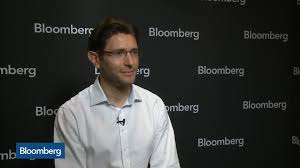
Heard of Philipe Botteri?
Well, if you care about money, you should have. Botteri is a VC (venture capitalist: wealthy individual who gives early funding to risky startups) working out of Accel, who invests in companies people actually care about.
No, not oil, beer, or credit cards. Think cleaner, more tech-y and useful, like his investments in UiPath (Enterprise automation), Fiverr (NYSE: FVRR, freelance community), and BlaBlaCar (ridesharing community).
Botteri invests in more modern, relevant startups that just hit different because they appeal to modern users across many industries and help people grow financially.
Scroll right down to check out practical, non-boring lessons grounded in Botteri’s envy-causing track record.
How does Botteri’s Perspective Hit Different?
There’s something about Botteri’s different take on investing that we love. Why? He chooses startups that he not only knows will succeed, but also ones he believes in when it comes to green values and usefulness to modern users, as they always fill a niche that nobody yet knows exists.
You can see exactly how his perspective hits differently when you zoom in on one of his most famous startups, payment platform Melio. Not heard of it? That’s fine. Melio is a payment system for businesses that makes it easier to send and receive money. Botteri recognised its slick UI and invested as he knew it would help small businesses to become bigger.
Instead of investing in old-fashioned stuff like car tyres or high street retail, Botteri sinks his money into stuff people will enjoy using, like Melio. Products that will bring joy to the world while fulfilling a practical use, instead of focusing only on profit.
This approach is what makes Botteri’s investment style hit completely different to other VCs. So, let’s find out what we can learn from this approach.
Lessons From Botteri’s Investment Approach
There are a few lessons we can all learn from how Botteri approaches his investments, right?
Lesson 1 — Track What Really Matters (Not Just Big Numbers)
The first lesson we can learn from Botteri is to track what really matters, and not just focus on the biggest numbers.
See, Botteri has a very data-driven approach to venture capital, sure, but he is careful about the types of data he collects. Example?
Botteri focuses on specific data when he considers an investment, like:
- Spend tracking: How long he will hold shares until he sells, ending the investment.
- Revenue quality: Will a startup continue making a profit as it progresses?
- Recurring unit costs: Working out the costs and revenue per unit (by customer, product, or transaction).
The idea behind all of this is that Botteri prioritises the right data to analyse instead of just one piece of data. Think of it like focusing on your daily spending, rather than how much you earn each month. This approach lowers money anxiety, and a cooler head means better investments.
Lesson 2 — Look for Compounding Value, Not Fast Wins
Botteri is great at nurturing companies patiently and slowly to compound their value, which is when the invested money and the money this investment makes both generate profit.
There is a lot to learn from this approach because it allows startups to mature slowly, make mistakes, learn from them, and grow with steady upward momentum.
During this growth period, these startups are making Botteri tons of cash because their value is increasing, making Botteri more money when he sells his shares.
You can apply this approach to everyday financial activities, like:
- Personal savings: Get the most value from savings by depositing early.
- Investing: Give investments time to mature and don’t sell too early.
- Career building: Take time to network and research to find the best contacts and roles.
How do you put this into practice? Apply the approach to venture capital by investing in small, consistent investments like mini-startups to spend sensibly but guarantee your return over long periods as you spread the cost and the risk.
Lesson 3 — Diversify Your “Portfolio” The Smart Way
‘Diversify your portfolio!’ It is shouted from the mountaintops every day. But what does it actually mean, and how does Botteri do it?
Simple: Botteri invests across different industries and stages of a startup’s journey.
He invested in Medisync AI at the seed stage, but committed cash to Finloop at Series A. He has invested across industries like tech, finance, and environmental sustainability. Why? Botteri knows the value of investing in different ways for different startups to spread the risk and hedge his bets.
It’s like how you wouldn’t apply for one job and hope for the best. You apply for lots of different jobs, right? To ensure you get at least one, or maybe a few offers if you’re lucky. Portfolio diversity is the same. It just means investing in different industries and at different stages of a startup’s journey to ensure you make money from some of them.
Takeaway: Learn From Investors Who Actually Reflect the Future
If you want to make the best investments, try looking way beyond typical financial influencers. Look at investors like Botteri, who is a relevant voice but also helps young Gen Z investors stay current and grounded.
Investment is a long-term strategy, not a sprint, so why not try one small habit in your investment approach today, inspired by Botteri? Here’s a summary of the lessons in case you have already forgotten them:
- Track the right numbers before investments.
- Focus on compounding value, not quick wins.
- Invest in different industries and at different stages.